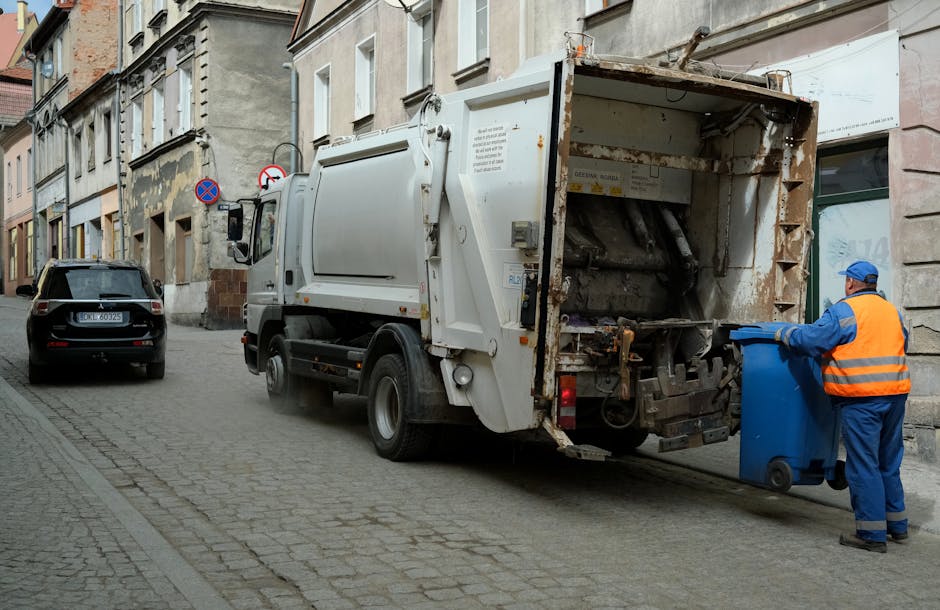
If you live near Danson Park in Sidcup, rubbish can build up faster than you expect. A shed clears out, a spare room turns into a storage zone, or a garden project leaves you with bags, broken bits, and heavy things that are awkward to move. Rubbish removal for homes near Danson Park Sidcup is about making that problem disappear quickly, safely, and without turning your weekend into a loading-and-lifting marathon.
In a leafy residential area, the practical issues matter as much as the mess itself. Parking can be tight, access may be awkward, and not every item can just be left out for the usual collection. This guide explains how home rubbish removal works, what it suits best, what to watch out for, and how to choose the right approach when you want the job done properly. To be fair, it is often simpler than people think.
Why Rubbish removal for homes near Danson Park Sidcup Matters
Home rubbish removal is not just about tidying up. It helps protect living space, reduce stress, and prevent clutter from turning into a safety issue. Near Danson Park, where family homes, maisonettes, and compact front drives all sit side by side, the difference between a manageable clear-out and a stressful one can be surprisingly small.
There is also the practical side. Bulky waste, mixed rubbish, old furniture, and garden debris can be hard to shift in stages. If you try to do it yourself, you may end up making multiple trips, lifting heavier items than is sensible, and spending more time than the job is worth. And let's face it, most people would rather get the room back than spend Saturday wrestling a sofa through a hallway.
Rubbish removal matters because it gives you a cleaner, safer space with less hassle. That can mean a one-off house clear-out, post-renovation waste, seasonal garden waste, or just the accumulated things that quietly build up in a loft, garage, or spare room. A good service should feel calm and organised, not chaotic.
Expert summary: For homes near Danson Park Sidcup, the best rubbish removal approach is usually the one that balances speed, access, item type, and responsible disposal. If the waste is bulky, mixed, or time-sensitive, a professional collection is often the most straightforward option.
Table of Contents
- Why Rubbish removal for homes near Danson Park Sidcup Matters
- How Rubbish removal for homes near Danson Park Sidcup Works
- Key Benefits and Practical Advantages
- Who This Is For and When It Makes Sense
- Step-by-Step Guidance
- Expert Tips for Better Results
- Common Mistakes to Avoid
- Tools, Resources and Recommendations
- Law, Compliance, Standards, or Best Practice
- Options, Methods, or Comparison Table
- Case Study or Real-World Example
- Practical Checklist
- Conclusion
- Frequently Asked Questions
How Rubbish removal for homes near Danson Park Sidcup Works
Most household rubbish removal follows a fairly simple pattern. You identify what needs to go, the team assesses the load, and collection is arranged at a time that fits your day. If the service is done well, you should not have to overthink it. The key is clarity: what is being taken, where it is located, and whether anything needs special handling.
Typical home clearances might include general waste, broken furniture, old white goods, boxes, garden clippings, carpet offcuts, or the remains of a room refresh. Some items are straightforward; others, such as fridges, mattresses, or anything classed as hazardous, need extra care. If you are unsure, it is much better to ask first than to guess later.
Many homeowners also combine rubbish removal with broader clearance work. For example, a garage tidy-up may uncover old chairs, an appliance, and bags of mixed junk. In that case, a broader service like garage clearance or home clearance may be more efficient than arranging separate removals.
In practice, the process tends to work best when access is planned in advance. If your property sits on a narrow street or has limited parking, mention that early. It avoids the awkward moment where everyone arrives and then spends ten minutes looking for a sensible place to load. That little bit of planning goes a long way.
Key Benefits and Practical Advantages
The biggest benefit is obvious: you get your space back. But the real value is in how much friction disappears at the same time. There is less lifting, less sorting, less waiting, and less risk of making a disposal mistake. For busy households, that can be a huge relief.
Here are the benefits people usually notice first:
- Fast space recovery - rooms, drives, sheds, and lofts become usable again.
- Less physical strain - heavy lifting is handled for you.
- Cleaner presentation - helpful if you are selling, letting, or renovating.
- Better sorting - items can be separated for reuse, recycling, or disposal.
- Fewer disposal errors - especially for bulky or regulated items.
There is also a quieter benefit that people often only notice afterwards: the mental lift. Clutter has a way of nagging at you. Once it is gone, the house feels lighter. You hear it in the room, oddly enough. Less echo, less obstacle, less visual noise.
If you are focused on sustainability, it can also help to use a provider that prioritises reuse and recycling where possible. The service page on recycling and sustainability is a useful reference point for understanding that side of the process.
Who This Is For and When It Makes Sense
This kind of service suits a wide range of household situations. It is not just for major clear-outs or renovation projects. In many cases, it is the sensible choice for everyday life when waste becomes too awkward or too bulky to manage through normal channels.
Common situations include:
- End-of-tenancy or pre-sale decluttering
- Garden clearances after pruning, landscaping, or storm damage
- Garage, loft, and shed clear-outs
- Old furniture removal after upgrades
- Appliance disposal when something has failed and cannot be repaired
- Small renovation jobs that leave bags of rubble or mixed building waste
This is also useful if you are helping a parent, relative, or neighbour with a practical clear-up. Those jobs often take longer than expected because every item has a story attached to it. A chipped table becomes "that one from the old flat," and suddenly you have spent twenty minutes remembering who sat where. Happens all the time.
If the task is mainly about removing old sofas, beds, or worn-out furniture, services such as furniture disposal or mattress and sofa disposal may be the most relevant fit.
Step-by-Step Guidance
A simple plan keeps rubbish removal smooth. The more mixed and bulky the waste, the more useful this becomes.
- Walk through the property
Make a quick list of what needs to go. Separate obvious keep, donate, and dispose piles if you can. - Identify awkward items
Note anything especially heavy, fragile, sharp, dirty, or potentially hazardous. - Check access
Think about stairs, parking, narrow hallways, garden gates, and whether items need to come through the front or back. - Ask for the right service type
Some jobs fit a standard rubbish removal visit; others need a more specific clearance, such as house clearance or loft clearance. - Confirm what is accepted
Do not assume every item can go. Appliances, chemicals, and certain materials may require separate handling. - Prepare the load
If you can safely gather small items into bags or stack boxes neatly, collection is usually faster. - Keep a clear route
Move pets, open gates, and clear the path from the item location to the vehicle. - Review the completed job
Do a final look around so nothing useful is taken by mistake.
One small tip from real-world jobs: if you are dealing with a whole room, start at the farthest corner and work backwards toward the door. It sounds basic, but it saves a lot of unnecessary crossing back and forth.
Expert Tips for Better Results
Good rubbish removal is usually about preparation, not pressure. A bit of forethought can save money, reduce delays, and make the whole thing feel far less disruptive.
- Take photos before booking - useful for bulky or mixed loads and helps the provider judge the job accurately.
- Be honest about access - if the pathway is tight or the parking is awkward, say so early.
- Group similar items together - furniture in one area, bags in another, garden waste in a pile.
- Keep valuables and documents separate - once things are mixed, mistakes happen.
- Ask about recycling routes - particularly if the clearance includes reusable furniture or appliances.
- Leave anything doubtful aside - if you are unsure whether an item is allowed, do not sneak it into the pile and hope for the best.
It also helps to think in zones. Kitchen, loft, garage, garden. Each one has its own personality, and each one throws up different surprises. The garage, for instance, often contains things nobody has looked at since the last century. A little dramatic, yes, but not far off.
If you are comparing wider home services, furniture clearance and garden clearance can be useful if the waste is concentrated in one type of item rather than mixed household clutter.
Common Mistakes to Avoid
Most problems with rubbish removal are avoidable. They usually happen because someone underestimates volume, forgets access issues, or assumes an item is standard waste when it is not.
- Leaving everything to the last minute - rushed clear-outs are where mistakes multiply.
- Mixing restricted items into general rubbish - especially with appliances or anything that may need specialist handling.
- Not measuring bulky pieces - some items are heavier or wider than they look in a room.
- Ignoring stair or parking constraints - this can affect timing and price.
- Forgetting about loft dust or garage grime - messy spaces often need a bit more care than expected.
- Assuming all waste can go together - it cannot, and trying to force it is a bad idea.
Another common one: keeping "maybe" items in the pile. If you are not sure whether you want it gone, separate it before collection day. Otherwise you can end up with the classic household debate over a broken lamp nobody likes but somehow nobody wants to lose either. Very familiar scene.
Tools, Resources and Recommendations
You do not need a lot of equipment, but the right basics make the process easier and safer.
- Heavy-duty bags and boxes for loose rubbish and smaller items.
- Work gloves for handling sharp edges, dust, and rough materials.
- Mask or dust covering for lofts, garages, or old storage areas.
- Furniture sliders or a trolley if you are shifting items to one place before collection.
- Marker tape or labels to identify keep, donate, recycle, and remove piles.
For practical planning, these website pages can help you make better decisions before booking. If you want to understand likely costs and what affects them, pricing and quotes is the best place to start. If payment security matters to you, payment and security is worth a look. And if you want the background on the business itself, about us provides that context.
For people dealing with an old appliance, the specialist page for fridge and appliance removal is especially helpful. Fridges are not just heavy; they are awkward, and nobody enjoys trying to maneuver one down a narrow hallway on their own.
Law, Compliance, Standards, or Best Practice
For household rubbish removal in the UK, the main point is simple: waste should be handled responsibly, with care around segregation, transport, and disposal. Homeowners do not need to become legal experts, but it helps to know the basics so nothing is handed over blindly.
Best practice usually includes:
- Using a provider that handles waste in a lawful and traceable way
- Separating items that may need specialist disposal
- Keeping hazardous materials out of general household waste
- Making sure reusable items are diverted where possible
- Being clear about who owns the waste until collection is complete
Hazardous items deserve extra caution. Paints, chemicals, certain electricals, and contaminated materials should not be guessed at. If something could pose a health or environmental risk, use the relevant specialist route such as hazardous waste disposal. That is not the place to improvise.
There is also a trust angle. Reputable operators should have sensible safety procedures and insurance arrangements, and should be able to explain how they work in plain English. If a company cannot explain the basics of what happens to your waste, that is a yellow flag at least.
For peace of mind, it is sensible to review insurance and safety and health and safety policy where available.
Options, Methods, or Comparison Table
There is no single best method for every home. The right choice depends on volume, item type, timing, and how much lifting you want to do yourself.
| Option | Best for | Pros | Watch-outs |
|---|---|---|---|
| DIY tip run or car trips | Very small amounts of loose waste | Low immediate cost, flexible timing | Time-consuming, physical effort, multiple trips |
| Skip hire | Longer projects with steady volumes of waste | Good for staged work, useful for mixed debris | Space needed, loading effort, permit considerations may apply |
| Professional rubbish removal | Bulky, mixed, or urgent household waste | Fast, less lifting, usually simpler | Needs clear access and accurate waste description |
| Specialist item disposal | Fridges, mattresses, sofas, appliances, risky items | Safer handling, better item-specific disposal | May need separate booking or category-specific service |
If you are not sure which route to take, ask yourself one question: do you want the waste gone with minimal disruption, or do you want to do the lifting and sorting yourself? The answer usually makes the decision pretty obvious.
For anyone comparing what can and cannot go into a mixed load or skip-style solution, what can go in a skip is a handy reference page.
Case Study or Real-World Example
A typical local scenario goes like this. A homeowner near Danson Park spends a few weekends repainting the spare room and clearing the garage at the same time. By Sunday afternoon, there are two old chairs, flat-pack packaging, a broken shelving unit, two bags of garden clippings, and an appliance that has been sitting unused since winter.
At that point, the job stops being a tidy-up and starts becoming a proper removal task. The biggest challenge is not the amount of waste on its own; it is the mix of waste. The chairs need careful lifting, the appliance needs the right handling, and the garden waste is best kept separate from the indoor clutter.
Instead of making several trips or leaving the pile to grow for another week, the homeowner books a collection, explains the access through the side gate, and groups everything into clear sections. The collection is quicker because the load is already organised. The driveway is usable again that evening. Job done, and the house feels calmer almost immediately.
That kind of result is very ordinary, in the best way. No drama. No endless weekend consumed by loading bags into a car. Just a practical fix.
Practical Checklist
Use this checklist before collection day so the process goes more smoothly.
- Identify every item that needs to go
- Separate keep, donate, recycle, and dispose piles
- Confirm if any items are hazardous or specialist
- Measure or photograph bulky furniture and appliances
- Check parking and access around the property
- Clear pathways, stairs, and doorways
- Move pets and protect fragile items nearby
- Keep documents, valuables, and sentimental items away from the removal area
- Ask about recycling, reuse, or item-specific disposal where relevant
- Review the final area before the team leaves
If the job has grown into something bigger than expected, consider whether a more complete service like house clearance or home clearance would be a better fit. Sometimes the broader option is simpler and actually cheaper in the long run. Funny how that works.
Get a free quote today and see how much you can save.
Conclusion
Rubbish removal for homes near Danson Park Sidcup is really about restoring order without unnecessary effort. Whether you are tackling a single bulky item, a cluttered loft, a messy garage, or a full home refresh, the right approach should save time and reduce stress.
The best results come from a little preparation, honest communication, and choosing the right service for the type of waste you actually have. That is the part people sometimes skip, then regret later. A quick plan, a clear pile, and a sensible collection route can make all the difference.
If your home is beginning to feel crowded with things that no longer serve a purpose, you do not need to make it a huge project. Start with one corner, one room, one pile. The relief comes quicker than you think.
Frequently Asked Questions
What counts as rubbish removal for a home near Danson Park Sidcup?
It usually means collecting and disposing of household waste that is too bulky, awkward, or time-consuming for normal bin collection. That can include furniture, general clutter, garden waste, appliances, and mixed household items.
Is rubbish removal better than hiring a skip for a house in Sidcup?
It depends on the job. If you want minimal lifting and a faster turnaround, rubbish removal is often easier. A skip can suit longer projects where you are happy to load things yourself over time.
Can old furniture be removed from a home near Danson Park?
Yes, and it is one of the most common reasons people book a collection. Sofas, wardrobes, tables, and beds are usually dealt with through furniture-specific or general home clearance services.
What should I do with a fridge or washing machine?
Appliances should be handled carefully because they can be heavy and may need item-specific disposal. A dedicated appliance removal service is often the safest route, especially for fridges and freezers.
Do I need to sort everything before the collection?
Not always, but some basic sorting helps. Separating keep, recycle, and dispose piles makes the job quicker and reduces the chance of useful items being removed by mistake.
Can I include garden waste with other household rubbish?
Often yes, but it depends on the provider and the type of waste. Clean garden material may be treated differently from mixed rubbish, so it is wise to mention it in advance.
How do I know if something is hazardous?
If it contains chemicals, sharp contamination, or other risky materials, treat it with caution. Paints, solvents, and some construction-related leftovers are common examples. When in doubt, ask before collection day.
Will rubbish removal damage my hallway or driveway?
A careful team should take steps to avoid damage, but access always matters. Clear pathways, measured lifting, and sensible planning reduce the risk a lot. Good communication helps more than people think.
What if I only have a small amount of waste?
Small jobs can still be worth booking if the items are bulky or difficult to move. A few heavy items can be more troublesome than a surprising number of bags.
How do I choose a reliable rubbish removal service?
Look for clear communication, sensible safety information, straightforward pricing guidance, and a service that explains how it handles different waste types. Trust your instincts too; if the explanation feels vague, that usually tells you something.
Can I get help with a full house or loft clear-out?
Yes. If the job has grown beyond a simple rubbish collection, services such as loft clearance, house clearance, or home clearance are usually more appropriate and more efficient.
What is the next sensible step if I want to clear my home soon?
Make a short list of the items you want removed, note any bulky pieces or access issues, and compare the service that best matches your load. If you need a starting point, book online is a practical next step for arranging the work.
When the clutter is gone, the whole house breathes a bit easier. That calm matters, honestly.